Community FAQ: what women-only means, what a contract says and what to ask
Short, plain answers to the questions a skeptical reader asks before joining a women-only gym or pilates studio in Massachusetts. Where a law or a published source applies, it is linked beside the answer. Nothing here is a verdict on any business. The answer that decides the most is quoted below. Anything the sources do not settle is left as a question to ask.
Questions to settle before you join
- What does women-only mean in Massachusetts?
- Under Massachusetts public-accommodation law, a bona fide fitness facility may limit use to one sex. That exception applies only to a facility that exists solely for exercise and instruction, and only if it receives no government funds. Source: Massachusetts General Laws, Chapter 272, Section 92A.
- Are trials and cancellation rules set by law?
- Massachusetts gives a buyer three business days to cancel a health club contract, counted from receipt of the contract or a receipt. Cancel in writing, handed over in person or sent by certified or registered mail, and the club then has 15 business days to refund you. The law does not say whether a trial is offered, so ask. Source: General Laws, Part I, Title XV, Chapter 93, Section 81.
- What is the difference between mat and reformer pilates?
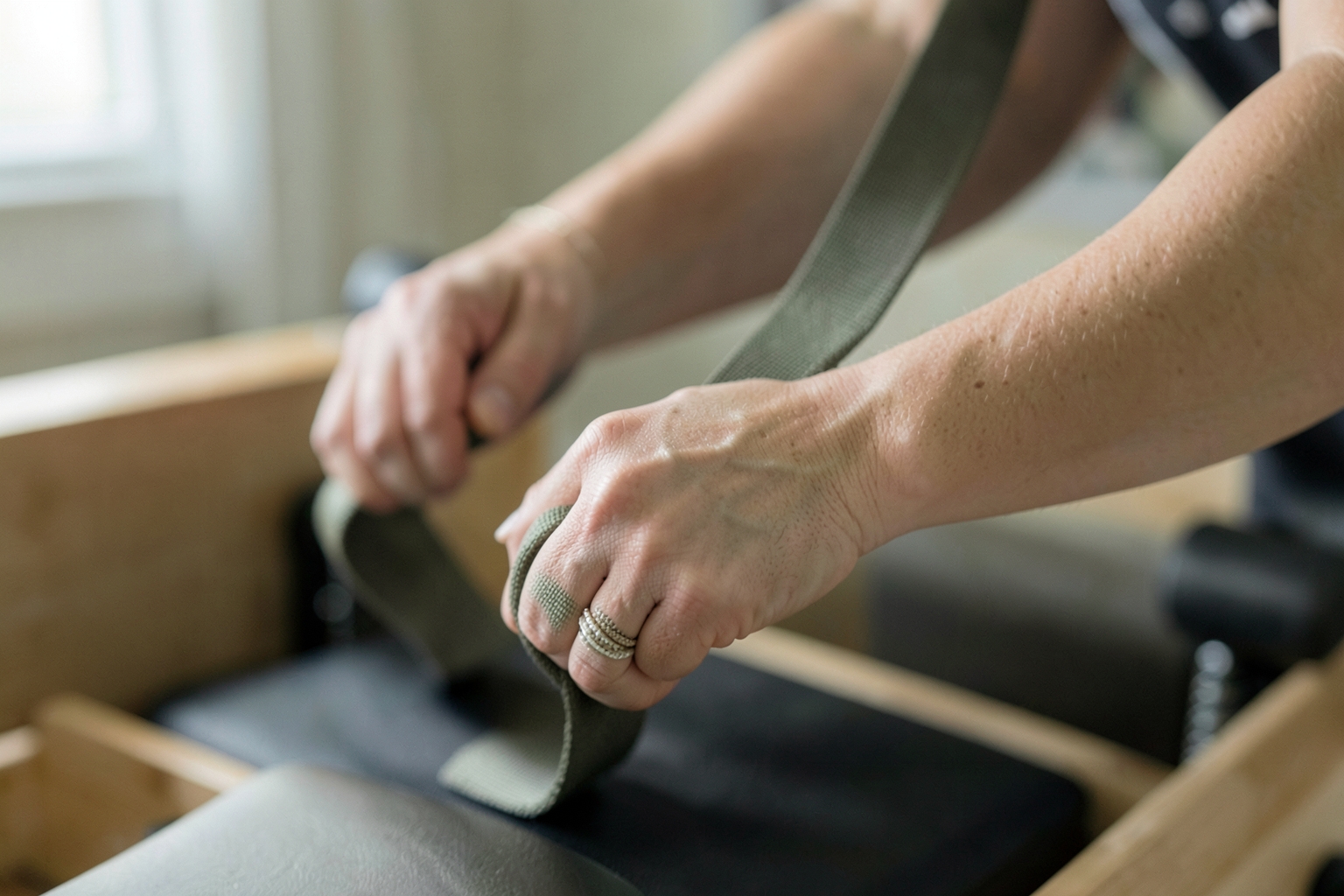
- Mat pilates is done on a mat with body weight. Reformer pilates uses a sliding carriage, springs and straps, so it is a different session. The evidence on pilates and back pain comes from sessions taught by trained or certified instructors, so ask what certification the instructors hold. Source: Pilates for the Treatment of Low Back Pain, American Family Physician, 2016.
- How much exercise should a membership cover?
- Guidance from the Centers for Disease Control and Prevention shows that adults need 150 minutes of moderate-intensity physical activity a week, plus muscle-strengthening activity on at least 2 days. That is the yardstick to measure any gym routine against.
- What should I bring to a first session?
- Bring a water bottle, clothes you can move in, and the visit questions from the format guide. Go at the hour you would really train.
The one answer that decides the most
Get the cancellation terms in writing before you pay, because the contract you sign will outlast your first month’s enthusiasm.
Why these are the questions that matter
A reader in this position has to decide three things. The format has to fit the week, the contract has to allow a clean exit, and the instructors have to be trained for the work. The pictures below show what the formats look like on the floor. None of them is a photograph of a business.


Reading a health club contract, step by step
Find the cancellation clause
Look for the three-business-day right and the written notice it needs. If the contract does not set it out, ask the studio where it is. Send any notice in writing, the way the law describes. Do not rely on a verbal promise at the front desk. Check that the refund route is written down too.
Check the term
Write down how long the contract runs and whether it renews on its own. Compare that length with the trial you were offered. Ask what happens if you move or are injured. Check that the answer matches the written contract. Put the whole answer in one sentence you can repeat.
Keep the proof
Keep a copy of what you signed and the date you received it. The three-day clock starts on receipt, so that date matters. Keep a copy of any notice you send, too. Note who you gave it to and when. Those records make any later question easy to answer.